

In Wilmington, a home’s value is shaped by more than bedroom count and finishes. Commute options, road access, lot configuration, usable outdoor space, and site conditions can all influence how buyers compare one property with another. Understanding those details helps owners prepare thoughtfully and helps buyers recognize where long-term value may be hiding.
Why access remains part of the Wilmington value conversation
Wilmington’s location in Middlesex County places it within reach of several regional employment centers, and that connectivity is a meaningful part of the local housing conversation. Buyers often look closely at practical routes for daily travel: access to Interstate 93, Route 128/I-95 connections, nearby arterial roads, and MBTA commuter rail service from Wilmington and North Wilmington. The result is not a single “best” location within town, but a series of tradeoffs that can affect demand, convenience, and pricing.
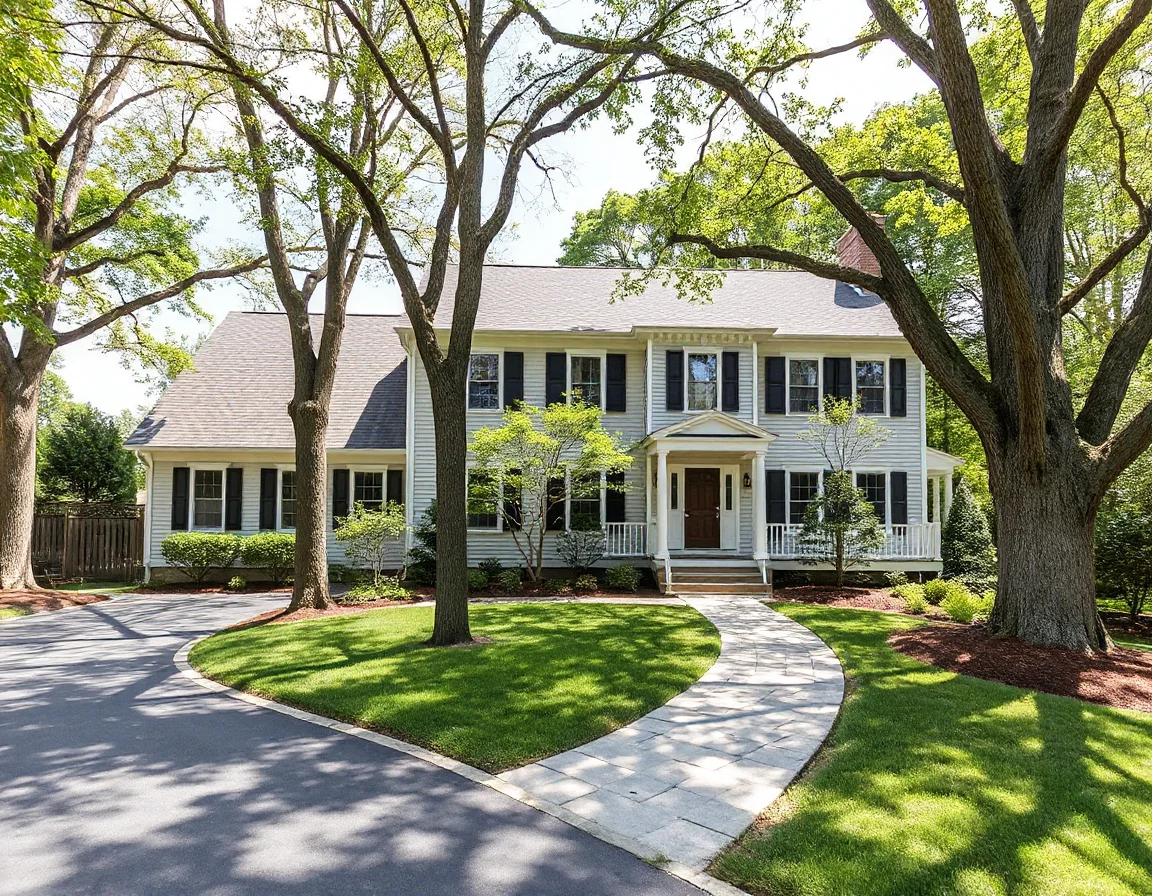
A shorter trip to a station, highway entrance, or frequently used local route can be appealing, particularly when the route is straightforward and predictable. At the same time, a property immediately adjacent to a busy corridor may raise different questions about traffic patterns, sound, driveway access, or the ability to enter and exit at certain times of day. Buyers generally weigh the entire experience rather than focusing on one map pin.
Commute access is best viewed as a convenience feature, not a universal price formula. A house near a station may attract attention for rail access, while a home farther away may stand out for a larger setting, a quieter road, or more flexible outdoor space. The strongest value position is often created when a property’s access and its site characteristics feel well balanced.
Two Wilmington homes with similar square footage can draw very different interest when one offers an easier daily route and the other offers a more usable, private-feeling lot. Comparing both factors together is more useful than relying on distance alone.
For sellers, this means presenting access clearly and factually. Mention nearby transportation options, approximate routes, and practical features such as a garage, turnaround space, or convenient driveway layout. For buyers, it means visiting at more than one time of day when possible. A quiet midday showing can feel different from a weekday morning or evening when traffic conditions are more apparent.
Lot type can change how a home lives
Lot size is easy to see on a listing sheet, but lot usability is where the real story begins. A smaller, level lot with a functional rear yard may feel more versatile than a larger parcel with steep grades, wetlands, irregular boundaries, or substantial portions that cannot be easily used. In Wilmington, as in many established Greater Boston communities, buyers often compare outdoor space with a close eye on maintenance needs and future possibilities.
Level ground can support a range of everyday uses, from gardening and outdoor seating to recreation and simple access around the home. A deep lot may offer separation from the street, while a corner lot can provide a more open feel and multiple points of access. Conversely, a heavily wooded site can bring character and shade, but may also prompt questions about drainage, tree maintenance, privacy, and the practical footprint around the house.
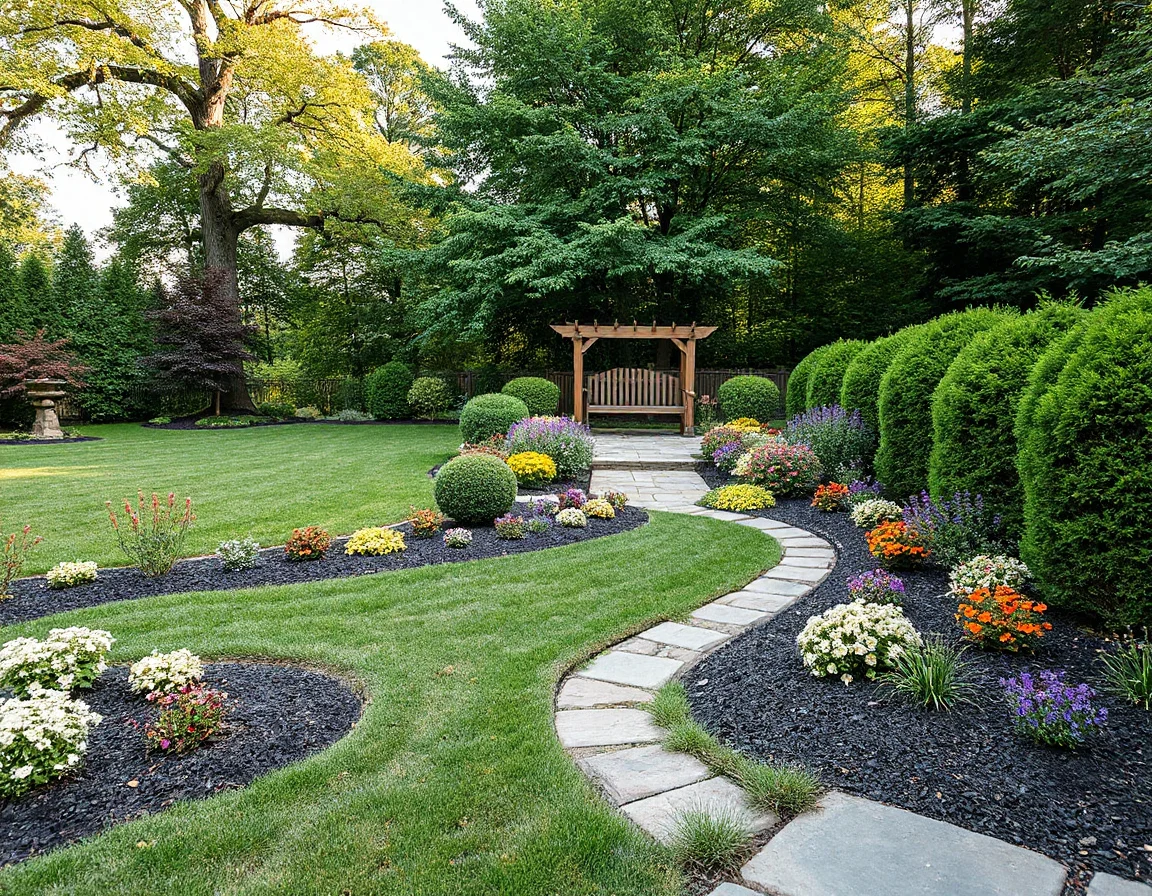
Lot configuration matters, too. A rectangular parcel may make it easier to understand where outdoor areas, parking, gardens, and potential improvements could fit. An irregular lot can still be highly appealing, especially when it creates an attractive buffer or distinctive setting, but purchasers may want more information about setbacks, easements, utility locations, and local permitting requirements before making plans.
Water and drainage deserve careful attention in any property evaluation. Features such as wetlands, conservation restrictions, sump systems, grading, retaining walls, and drainage improvements are not automatically negatives; they are simply important components of the property. Clear documentation and straightforward disclosure help buyers evaluate the home on its full merits and can reduce uncertainty during a transaction.
Usable yard area often matters more to buyers than the total acreage printed on a listing. A well-maintained, level outdoor area can create a strong impression even when the overall parcel is modest in size.
Owners preparing to sell can make lot advantages easier to understand by trimming overgrowth, defining walking paths, addressing obvious drainage issues, and making outdoor areas look intentional. A clean patio, a maintained lawn edge, and visible access to storage or parking can help a buyer quickly understand how the site functions. If there are surveys, plans, permits, or records for completed improvements, having them organized can also be useful.
How buyers compare the complete package
When inventory is limited, buyers may be willing to compromise on one feature if the rest of the property meets their priorities. That is why a home with a slightly longer route to the train can remain competitive when it offers a well-designed layout, reliable condition, a garage, or especially usable outdoor space. Likewise, a property with excellent access can command attention when its site feels comfortable and the home has been maintained with care.
It is helpful to separate fixed attributes from changeable ones. Road location, lot shape, proximity to transportation, and topography are largely permanent. Interior paint, lighting, landscaping details, appliance updates, and some storage solutions can often be improved. Buyers who identify which features are fixed can make clearer decisions about what they value most, while sellers can focus preparation dollars on the elements that improve presentation and function.
Market value also depends on current competition. A similar home may be evaluated differently depending on what else is available in Wilmington at that moment, how recently comparable properties have sold, and which features buyers are emphasizing in active searches. Online estimates can be a starting point, but they cannot fully account for a driveway’s practicality, the feeling of a backyard, a station-access routine, or a particular road setting.
A practical approach for Wilmington owners and buyers
For homeowners, the most effective pricing strategy begins with an honest assessment of both strengths and constraints. Consider how the home compares with nearby sales not only in size and condition, but also in access, road placement, parking, yard usability, and site features. The goal is not to make every property sound the same; it is to position each home accurately so the right buyers understand its advantages.
For buyers, a thoughtful showing checklist can prevent small details from becoming surprises later. Walk the lot, look at the grade, observe neighboring spacing, review the driveway, consider the route to destinations you use regularly, and ask questions about systems that affect the site. A home purchase is about the building and the land together, and both deserve attention.
Wilmington continues to offer a varied collection of homes and settings, from established neighborhood streets to properties with more land, different access patterns, and distinct outdoor features. Whether you are planning a sale or evaluating a purchase, understanding how commute access and lot type shape demand can lead to a more confident, better-informed decision.