

Before your Danvers home reaches the market, a few targeted repairs can protect the first impression that shapes buyer interest and offer strength. The goal is not a costly renovation spree; it is a practical plan that removes visible doubts, supports confident pricing, and lets the home’s best features do the work.
Why Small Pre-List Decisions Carry So Much Weight
A home sale begins long before the first showing. Buyers form opinions from listing photos, the approach to the front door, and the details they notice as they move through each room. When a property appears cared for, visitors can focus on its layout, light, location, and possibilities instead of mentally subtracting for unfinished maintenance. In a competitive listing environment, that shift can influence how long buyers linger, how seriously they compare the home, and how comfortable they feel making an offer.

That does not mean every seller needs to replace a kitchen or redesign a bathroom. In fact, broad renovations completed without a clear pricing and buyer-positioning strategy can be expensive, disruptive, and difficult to recapture. A more reliable approach is to address the visible, functional items that raise immediate questions. Think of pre-list work as a way to reduce friction: fewer distractions during a showing, fewer concerns during inspection, and a cleaner story behind the asking price.
For Danvers sellers, the right priorities often depend on the home’s age, condition, location, and the nearby listings buyers will use for comparison. Evan Russell and The Russell Team can help separate improvements that are likely to matter from projects that may simply consume time and budget. A focused walkthrough before photography and launch gives every repair a purpose.
The best pre-list projects are usually the ones buyers can see, touch, or worry about within the first few minutes: peeling paint, a sticky door, dim lighting, active leaks, and neglected exterior details.
Fix 1 and 2: Refresh the Entry and Repair Visible Exterior Wear
Start at the curb. The front of the property sets expectations for everything inside. Clear leaves and debris from walks, trim back overgrown plantings, pressure-wash surfaces where appropriate, and make sure house numbers are easy to see. A clean entry does not need elaborate landscaping; it needs to look orderly, accessible, and maintained. If the porch light is dated or not working, replacing the bulb or fixture can be a small but noticeable upgrade.
Next, look closely at paint, trim, railings, shutters, gutters, and the front door. Peeling paint or loose hardware can suggest larger deferred-maintenance issues, even when the repair itself is straightforward. Touch up worn areas with closely matched paint, tighten handrails, replace cracked caulk, and confirm that the door opens and closes smoothly. If the mailbox, doorbell, or exterior light fixture has seen better days, consider a coordinated replacement rather than leaving several small defects in view.
These details are especially useful because they improve both in-person showings and listing photography. Strong exterior photos invite buyers to learn more; a tidy approach helps the home feel ready when they arrive. Keep the work proportional to the property and avoid design choices that are overly specific or difficult to maintain.
Fix 3 and 4: Stop Water Concerns and Make Systems Feel Reliable
Water-related issues deserve prompt attention before a home goes live. A dripping faucet, slow drain, stained ceiling, damp cabinet base, or loose toilet may be minor, but buyers often connect those clues to potentially larger repairs. Have an appropriate professional evaluate active leaks, address damaged seals, repair obvious plumbing defects, and document major work completed when possible. If a past issue has been repaired, make sure the area is clean, dry, and visually finished.
Heating, cooling, electrical, and ventilation items also benefit from a basic readiness check. Replace burned-out bulbs, test switches, make sure bathroom fans work, and change HVAC filters if needed. Clear access to utility equipment and remove stored items from around panels, furnaces, or water heaters. Sellers do not need to promise perfection, but a home that functions smoothly during a showing communicates care and reduces avoidable uncertainty.
It can be helpful to gather records for recent servicing, repairs, or upgrades before listing. Keep them organized and share them through the appropriate channels when requested. Clear documentation cannot replace an inspection, but it can provide useful context and make it easier to answer reasonable buyer questions accurately.
Fix 5: Brighten the Rooms Buyers Will Remember
Light is one of the simplest ways to make a home feel more open and usable. Replace mismatched bulbs, choose consistent warm or neutral lighting where practical, wash windows, and pull back heavy window coverings for listing photos and showings. Dark corners are not always a remodeling problem; they may be a lighting, furniture-placement, or cleaning problem. A lamp, fresh bulb, or cleared window ledge can make an immediate difference.
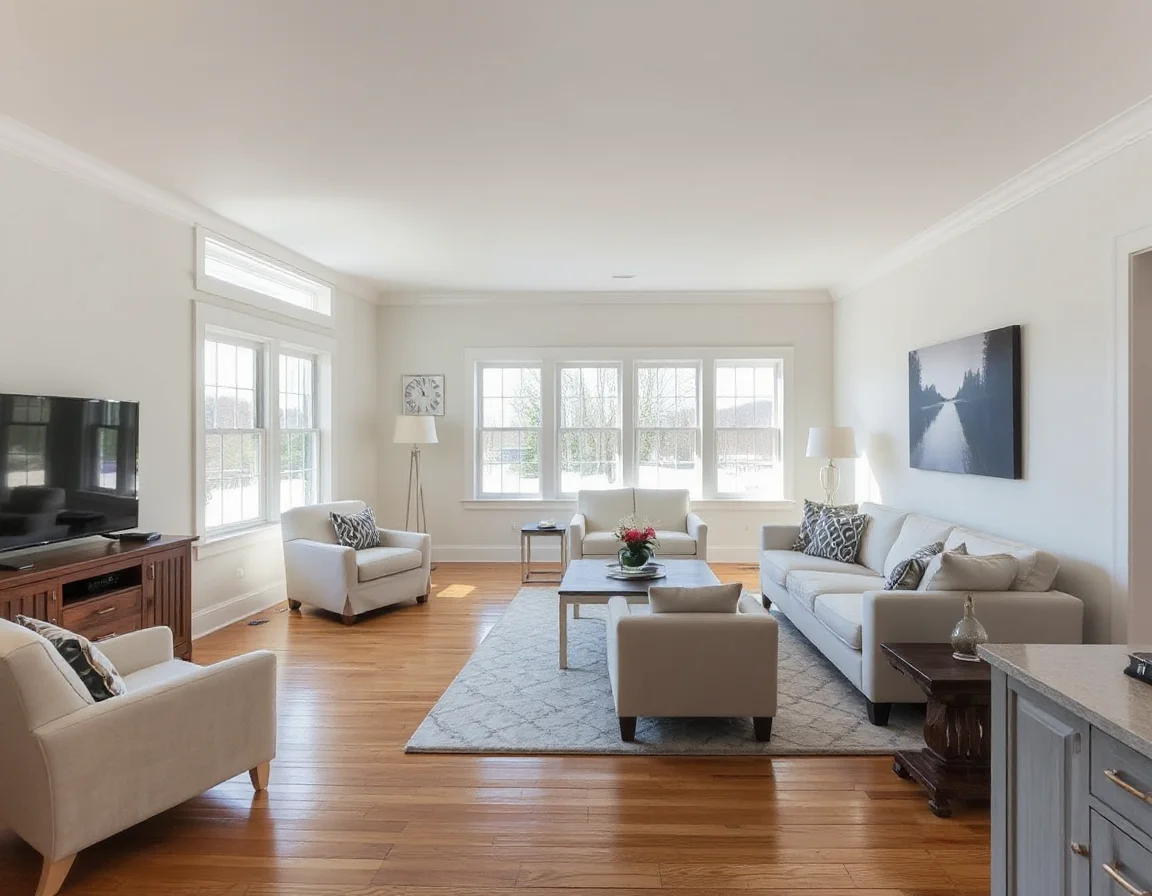
Walk through each room at the time showings are most likely to occur. Notice whether window treatments, furniture, or storage items block natural light or interrupt sightlines. Remove excess pieces that crowd pathways, and consider storing highly personal décor so the rooms read clearly in photographs. The objective is not to erase personality; it is to make the square footage, storage, and everyday function of each space easy to understand.
Kitchens and bathrooms deserve particular attention because buyers tend to inspect them closely. Deep-clean grout, counters, appliances, fixtures, and cabinet fronts. Replace missing hardware, repair loose handles, refresh worn caulk, and remove items from counters that make surfaces feel smaller. These are often affordable updates, yet they help a room feel maintained without forcing a full renovation.
A deep clean is a pricing tool as much as a presentation tool. It makes finishes easier to evaluate and prevents ordinary wear from being mistaken for a more expensive condition issue.
Fix 6 and 7: Finish the Obvious Repairs and Prepare for Questions
Before listing, make a room-by-room “small fixes” list. Look for cracked switch plates, loose knobs, scuffed walls, torn screens, squeaky hinges, damaged grout, missing outlet covers, and doors that rub or latch poorly. Addressing several modest items at once creates a different overall impression than leaving them scattered throughout the home. Buyers may not mention every detail, but they notice patterns.
Then prepare for the questions likely to arise after an offer. If a roof, appliance, heating component, window, or other major feature has a known age or service history, collect the information you have and be ready to present it accurately. Discuss disclosure obligations with your real estate professional and follow all applicable requirements. The purpose is not to predict every inspection finding; it is to avoid preventable surprises and give the transaction a more organized foundation.
A pre-list consultation can also help you decide whether an inspection makes sense before launch. For some sellers, it can uncover repair opportunities early. For others, a careful visual review and targeted contractor work may be the better route. The best choice depends on the home, the timeline, and how the property will be positioned in the current market.
Build a Plan That Protects Your Time and Sale Strategy
The strongest pre-list plan is rarely the longest one. Prioritize repairs that improve first impressions, resolve active maintenance issues, support clean photography, and help visitors experience the home without distraction. Save major projects for situations where comparable homes, condition, and expected return clearly justify the investment.
With long-standing residential real estate experience and direct client access through The Russell Team, Evan Russell can help Danvers sellers create a practical launch plan around the property’s condition and goals. A thoughtful week of preparation can make showings smoother, strengthen the home’s presentation, and help you move toward the market with more confidence.