

Pricing a Massachusetts home is not about picking the highest number on a spreadsheet. It is about matching your property’s condition, location, competition, and current buyer activity with a strategy that earns attention early. A well-supported price can create momentum, while an unsupported price can make even a strong home harder to sell.
Start With the Market That Exists Today
Homeowners often begin with a number they have seen online, heard from a neighbor, or remember from a recent sale nearby. Those reference points can be useful, but they are only a starting place. The most effective list price is built from current evidence: comparable homes that have sold, homes currently available, recent price adjustments, and the pace at which buyers are making decisions in your part of Massachusetts.

Markets can vary considerably from one town to the next, and sometimes from one neighborhood to another. A renovated condominium near transit may attract a different pool of buyers than a larger detached home on a quiet residential street. Even two homes with similar square footage can produce different results when their lots, layouts, updates, parking, outdoor areas, and monthly carrying costs differ.
That is why a comparative market analysis should go beyond an automated estimate. Sold properties show what buyers were willing to pay. Active listings show the alternatives buyers can tour right now. Pending sales may indicate where current demand is landing, although final terms are not always public until closing. Withdrawn or expired listings can also be informative, especially when they reveal a price point where interest did not convert into an offer.
The goal is not to find one “perfect” comparable sale. Instead, look for a pattern across several relevant properties and make thoughtful adjustments for meaningful differences. The closer the match in location, property type, condition, size, and sale timing, the more useful the comparison becomes.
The first few weeks on market are often the clearest window to measure buyer response. A price that invites serious attention early can be easier to adjust from than one that begins outside the range supported by current competition.
Separate Your Home’s Value From Your Investment in It
It is completely understandable to factor in the money and effort spent improving a home. New windows, an updated kitchen, refreshed baths, a roof replacement, landscaping, and mechanical upgrades can all make a property more competitive. However, improvement cost and market value are not always the same thing. Buyers generally respond to the overall condition, usefulness, and presentation of the finished home rather than a dollar-for-dollar renovation ledger.
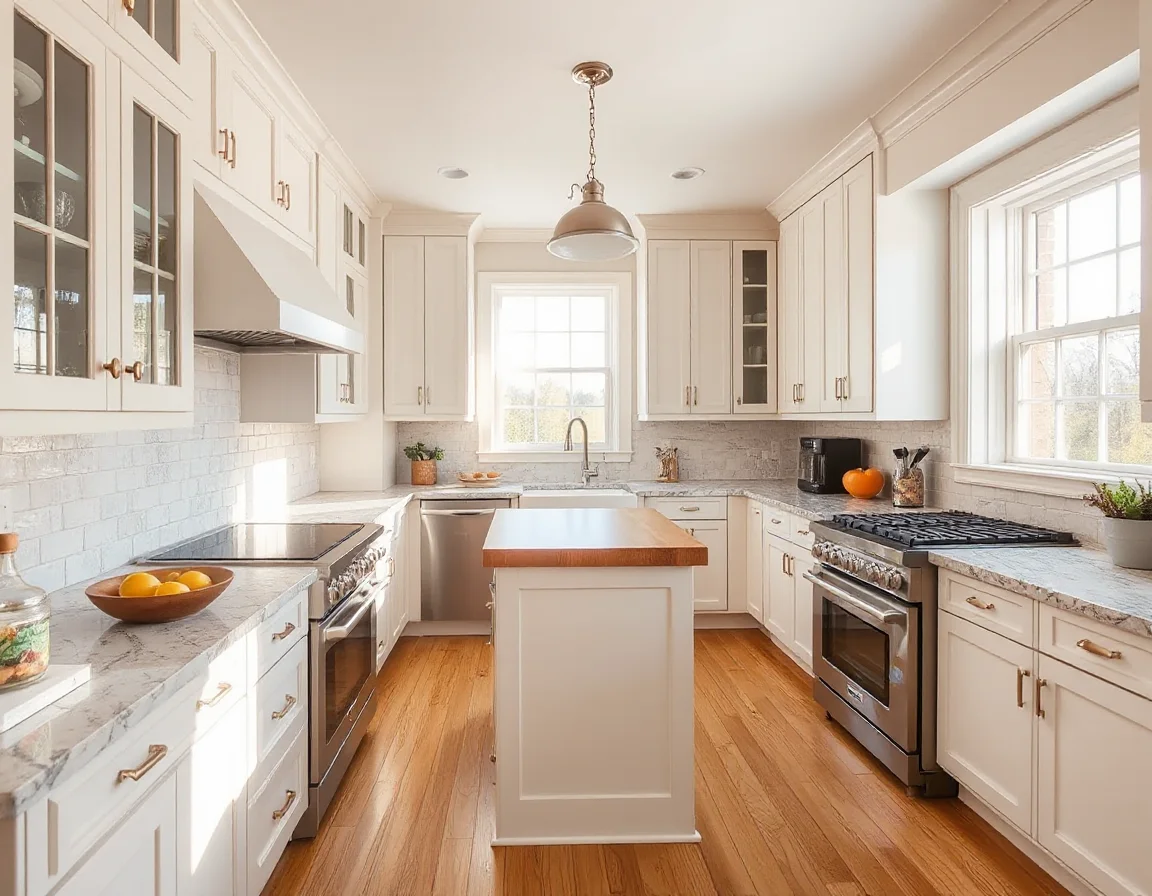
Some updates carry more pricing weight because they reduce uncertainty for buyers. A clean, functional kitchen; well-maintained systems; neutral repairs; and a polished exterior can improve how a home compares with similar listings. Other projects may be highly personal in style or may be difficult to recognize in online photos, where many buyers form their initial impression before scheduling a showing.
Before selecting a list price, identify the features that truly distinguish the property. These may include a flexible floor plan, finished lower level, dedicated workspace, garage, outdoor entertaining area, storage, energy-conscious improvements, or proximity to transportation and local amenities. Then compare those features realistically against what competing homes offer.
Condition influences both price and strategy. A home that is move-in ready may support a different approach than a home with deferred maintenance, even if the two properties have similar bedroom counts and square footage. Clear expectations help buyers evaluate the opportunity quickly and can reduce surprises later in the transaction.
Request a Massachusetts home valuation
Price for Search Behavior, Not Just an Appraisal Number
Buyers frequently begin their search with price filters. That means the exact list price can affect how often a property appears in search results. For example, a home priced just above a common search threshold may miss buyers who have set their maximum below that amount, even when the difference is relatively small. A thoughtful pricing discussion considers how the home will be discovered as well as how it will be evaluated in person.
Pricing should also leave room for the realities of negotiation without building in an unrealistic cushion. When buyers see a home positioned well against comparable options, they are more likely to view it as worth a visit. When the price sits far above nearby alternatives, buyers may wait, move on to another property, or assume there is limited flexibility. A listing can become harder to reposition after it has accumulated days on market.
This does not mean every home should be priced aggressively low. It means the strategy should match the evidence. In a setting with limited comparable inventory and strong activity, a price close to the center of the supported range may generate meaningful interest. Where there are many similar homes available, sharper positioning may be necessary to stand apart. The right choice depends on the property, the timing, and the competition buyers can see.
Appraisal considerations matter too, particularly for buyers using financing. An appraisal is not identical to a market analysis, but both rely on supportable comparisons. Keeping the list price grounded in recent sales, documented improvements, and local market context can help create a more durable path from offer to closing.
Prepare the Presentation Before the Listing Goes Live
Price and presentation work together. A carefully selected price cannot fully compensate for dim photography, cluttered rooms, unfinished repairs, or an unclear property description. Before launching, walk through the home with a buyer’s perspective: What is immediately visible online? Which rooms need editing or touch-ups? Are there maintenance items that could distract from the home’s strengths?
Small preparation steps can have an outsized effect. Removing excess furniture can clarify room scale. Fresh paint in worn areas can make spaces feel more cohesive. Cleaning windows, improving exterior lighting, and tidying entry areas can strengthen the first impression. Professional photography and a complete marketing plan should highlight authentic features without overstating them.
It also helps to plan for feedback. Showing comments are not always definitive, but recurring themes can reveal whether buyers are reacting to price, condition, layout, or another factor. Review early activity with your real estate professional and distinguish between normal market variation and a pattern that calls for a response.
A pricing plan is strongest when it includes a review point. If showings, online engagement, and feedback do not align with expectations after launch, timely adjustments can keep the listing competitive.
Build a Plan Around Your Goals and Timeline
The best price is not always simply the highest possible number. Your ideal strategy may depend on a planned move, a preferred closing period, the condition of your next purchase, or the amount of preparation you can complete before listing. Sharing those priorities early helps shape a recommendation that balances market opportunity with practical timing.
The Russell Team brings long-standing residential real estate experience and direct client access to the pricing conversation. A useful consultation should leave you with more than a suggested number: it should give you a clear explanation of the comparable sales, competing listings, property preparation priorities, marketing plan, and decision points to watch once the home reaches the market.
Massachusetts real estate is local, dynamic, and highly dependent on the details of each property. By using current data, presenting the home thoughtfully, and responding promptly to market feedback, sellers can make decisions with greater confidence. A well-priced home does not rely on guesswork; it tells a credible story that buyers can understand from the first search result through the final showing.